
For decades, the fitness industry was built around a relatively simple idea: people came to gyms to exercise. They wanted to become stronger, lose weight, improve their cardiovascular fitness or change the way their bodies looked.
That expectation is changing. Today, many people are no longer looking for fitness alone. They are looking for something broader: wellbeing. These wellness industry trends reflect a broader change in how consumers think about health, fitness and quality of life. This shift is also reflected in the growth of the global wellness economy, which reached $6.8 trillion in 2024, according to the Global Wellness Institute.
Exercise is still an essential part of the picture, but increasingly it sits alongside recovery, sleep, stress management, nutrition, mental wellbeing and social connection. Recent consumer research reflects this broader view of wellness, spanning areas such as health, sleep, nutrition, fitness and mindfulness. For the fitness and wellness industry, this represents more than a passing trend. It is a fundamental shift in what people expect from the places they choose to spend their time, money and energy.
the changing meaning of being healthy
Health was once commonly associated with the absence of illness, while fitness was measured through relatively visible markers: strength, endurance, body composition or athletic performance. Modern consumers increasingly see health in a more holistic way.
Feeling healthy can mean having enough energy to get through the day, sleeping well, being able to manage stress, moving without pain, feeling mentally balanced and maintaining meaningful social connections. This broader understanding is changing the role of fitness clubs. A gym can still be a place to train, but it can also become a place to recover, recharge and take care of several aspects of wellbeing at the same time.
That distinction matters.
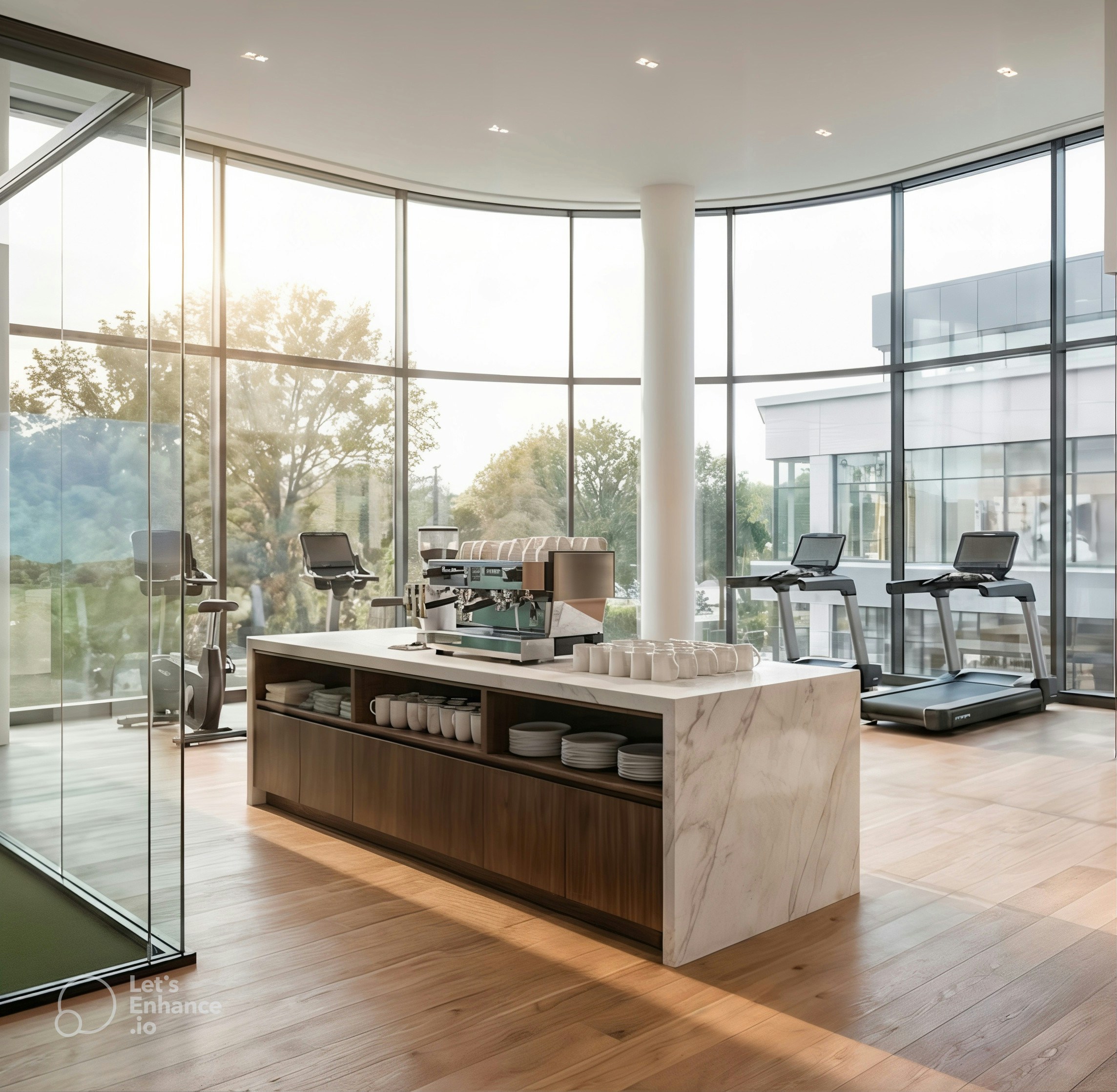
wellness industry trends: fitness clubs are becoming wellness destinations
Look at the direction in which the premium fitness sector has been moving. Alongside traditional gyms and group exercise studios, many clubs now offer swimming pools, saunas, spas, massage and beauty treatments, recovery concepts, nutrition services, cafés and spaces designed simply for people to spend time together.
These services may appear very different, but they respond to the same underlying consumer need:
people increasingly want wellbeing to fit naturally into their lives.
They do not necessarily want to visit five different places to exercise, relax, recover, socialise and take care of themselves. A well-designed wellness environment can bring several of these experiences together. This changes the competitive landscape as well. A premium fitness club is no longer competing only with the gym across the street. Depending on its positioning, it may also be competing with boutique studios, spas, wellness hotels, recovery concepts and increasingly sophisticated at-home wellness solutions.
recovery is becoming as important as performance
One of the clearest changes is the growing attention being paid to recovery. For years, the dominant fitness message was centred on effort: train harder, push further, burn more calories. That mentality has not disappeared, but it is being balanced by a much greater awareness of what happens between workouts.
Sleep, mobility, massage, relaxation, stress reduction and adequate recovery all influence how people feel and perform. For an industry that historically focused heavily on exercise, this creates an enormous opportunity.
The question is no longer only: How can we help members train better?
It is also: How can we help them feel better?
Those two questions lead to very different customer experiences.
healthy ageing is changing the market
Another major force reshaping wellness is longevity. People are not simply interested in living longer. Increasingly, they are interested in remaining active, independent and mentally and physically capable for as much of their lives as possible. This broader perspective is consistent with the World Health Organization’s concept of healthy ageing, which focuses on maintaining the functional ability that enables wellbeing in older age. That makes strength training, cardiovascular health, mobility, nutrition, sleep and stress management relevant far beyond traditional fitness goals. It also changes who the wellness consumer is.
The future of fitness is not limited to young, highly active people pursuing performance or appearance. There is a growing opportunity to serve people at many different stages of life who are interested in maintaining their health and quality of life. For wellness businesses, this requires more thoughtful programming and communication.
A 25-year-old training for performance and a 55-year-old investing in healthy ageing may use some of the same equipment and services, but their motivations can be completely different. Understanding those motivations is becoming increasingly important.
the experience matters as much as the service
Another significant change is that consumers increasingly evaluate wellness businesses through the entire experience, not just the individual service they purchase. A technically excellent massage can still be undermined by a frustrating booking process. A beautiful gym can lose its appeal if members do not feel recognised or supported. A sophisticated wellness concept can become confusing if nobody explains how its different services fit together. This is where hospitality and wellness increasingly overlap.
Successful wellness environments need more than good facilities. They need thoughtful customer journeys, knowledgeable teams, clear communication and a genuine understanding of what people need at different moments. Technology can make that experience easier, but it cannot replace the human element. For many people, wellness is deeply personal. How they are welcomed, listened to and supported can be just as important as the treatment, class or piece of equipment they use.
from selling services to creating wellbeing
Perhaps the most interesting shift is therefore not technological at all but philosophical.
The traditional fitness business asks:
What services can we sell?
The emerging wellness model asks:
What does this person need in order to feel better, function better and live better?
Sometimes the answer will be a workout, sometimes it will be recovery, sometimes it will be a massage, better sleep, a quiet hour away from everyday stress or simply a place where someone feels comfortable and connected. The businesses that understand this distinction have an opportunity to build much deeper relationships with their customers.
what comes next?
The boundaries between fitness, wellness, hospitality and preventive health are likely to continue becoming less distinct. Consumers will increasingly expect personalised experiences and easier ways to combine movement, recovery and wellbeing within their everyday lives. At the same time, the industry will have to distinguish meaningful wellness from fashionable promises that are not supported by credible evidence. That may ultimately be one of its greatest challenges and opportunities, because the future of wellness is unlikely to be about adding as many services as possible.
It will be about understanding why people seek wellbeing in the first place and creating environments that genuinely help them achieve it. Fitness will remain an important part of that future, it simply will not be the whole story.

